
From Keytruda to Next-Generation Immunotherapies:Engineering Upgrades of China’s Innovative Drugs and Global Competition
Author: DengYue International Business Division
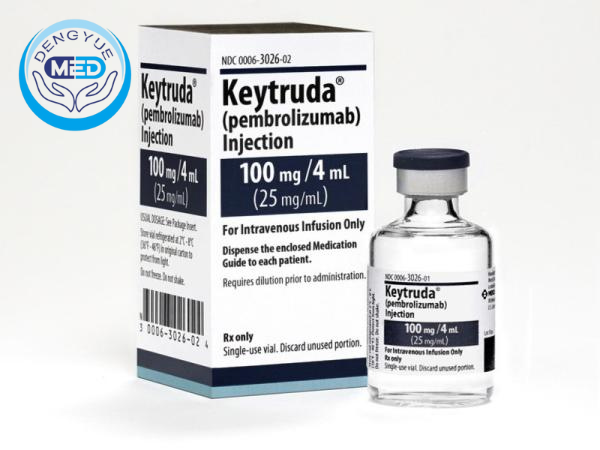
In 2024, pembrolizumab (Keytruda) once again set a new benchmark for innovative drug commercialization, achieving global sales of USD 29.482 billion and retaining its position as the world’s top-selling pharmaceutical product. This figure not only reinforces the foundational role of PD-1 monoclonal antibodies in oncology, but also clearly signals that first-generation immune checkpoint inhibitors have entered a mature phase.
At the same time, Keytruda’s success has also revealed its inherent ceiling: a plateau in efficacy, increasing dependence on combination regimens, and intense product homogeneity. Against this backdrop, the global focus of immuno-oncology R&D is shifting from the question of “whether it works” to “how to systematically enhance and sustain therapeutic efficacy.”
Next-generation immunotherapies—represented by PD-1/VEGF bispecific antibodies, bispecific antibodies (BsAbs), and immune-related antibody–drug conjugates (ADCs)—have emerged as the new battleground for global pharmaceutical companies. In this new wave of innovation, the engineering capabilities of Chinese innovative drugs are increasingly moving to center stage on the global platform.
Global Cancer Burden and the Structural Bottlenecks of First-Generation PD-1 Therapies
From the perspective of global disease burden, the demand for cancer therapies has not reached a plateau. According to GLOBOCAN data, global new cancer cases exceeded 20 million in 2022 and are projected to surpass 28 million by 2040. While PD-1/PD-L1 inhibitors have significantly improved survival outcomes across multiple indications such as lung cancer, melanoma, and renal cell carcinoma, real-world clinical data have gradually exposed their structural limitations.
Extensive clinical experience shows that objective response rates (ORR) for PD-1 monotherapy in most solid tumors remain largely within the 20%–40% range. Drug resistance is almost inevitable, with acquired resistance becoming a central long-term treatment challenge. Meanwhile, the conversion of immunologically “cold tumors” into “hot tumors” remains difficult, and the immunosuppressive tumor microenvironment has not been fundamentally reversed.
Mechanistically, these limitations are not rooted in the PD-1 target itself, but in the single-dimensional nature of its action. PD-1 inhibition primarily restores suppressed T-cell function, yet it does not simultaneously address abnormal tumor vasculature, insufficient immune cell infiltration, or the persistent immunosuppressive microenvironment. It is precisely under these constraints that next-generation immunotherapies have become an inevitable direction for both industry and R&D.
Target Mechanisms and Engineering Upgrades:From “Single-Point Release” to “System-Level Modulation”
The Mechanistic Boundaries of Keytruda
Keytruda restores T-cell cytotoxic activity by blocking the interaction between PD-1 and its ligands. However, its efficacy is highly dependent on the degree of tumor immunogenicity within the tumor microenvironment. In other words, PD-1 itself is not the problem—the problem is “PD-1 alone.”
PD-1/VEGF: The Core Logic of Next-Generation Immunotherapy
VEGF is not only a key angiogenic factor but also a major driver of immunosuppression:
● Inhibiting dendritic cell maturation
● Preventing T-cell infiltration
● Promoting the expansion of immunosuppressive cells such as Tregs and MDSCs
The synergy between PD-1 and VEGF inhibition essentially represents “releasing the brakes while reshaping the battlefield.” Compared with traditional PD-1 plus anti-VEGF antibody combinations, bispecific antibodies achieve, through molecular engineering:
● Simultaneous target engagement with spatial synergy
● More controllable dosing and exposure
● Potential safety optimization
PD-1/VEGF bispecific antibodies represented by AK112 (Akeso) have demonstrated superior ORR and PFS signals compared with PD-1 monotherapy across multiple indications, and have successfully driven several international BD collaborations.
From Monoclonals to Bispecifics, From Immunotherapy to ADCs: Engineering as the Core Theme
The next phase of immunotherapy is not about simply “adding targets,” but about engineering-driven functional reconstruction:
● Monoclonals → bispecifics / multispecifics to achieve mechanistic synergy
● Immunotherapy → immunotherapy plus cytotoxic payloads via ADCs
● Passive blockade → active modulation of the immune microenvironment
In this process, Chinese innovative biopharmaceutical companies have established clear comparative advantages in several engineering capabilities:
● Molecular design
● Linker and payload selection
● Process scale-up and consistency control
Market Analysis and Commercial Potential of Next-Generation Immunotherapies
From a market perspective, immunotherapy remains in a clear expansion cycle. In 2024, the global PD-1/PD-L1 market exceeded USD 70 billion, continuing to rank among the most important therapeutic segments in oncology. Meanwhile, the global ADC market surpassed USD 100 billion in sales in 2024 and continues to grow at a rapid pace. Bispecific antibodies are widely regarded as one of the most strategically valuable antibody technology platforms for the 2025–2035 period, with their potential for mechanistic synergy and engineering innovation reshaping the technological roadmap of cancer immunotherapy.
Notably, true incremental growth in immunotherapy does not come from developing “yet another PD-1 antibody,” but from building clearly differentiated combination mechanisms, clinically validated efficacy advantages, and sustainable commercialization models on top of existing immunotherapy frameworks. Under this logic, multinational pharmaceutical companies have increasingly favored PD-1/VEGF bispecifics, bispecific antibodies, and immune-related ADCs in recent BD and license-out transactions, rather than traditional single-target products.
Beyond PD-1: ADCs, Bispecifics, and the Immuno-Oncology Landscape of the Next Decade
In the post-Keytruda era of immunotherapy evolution, the role of Chinese innovative pharmaceutical companies is undergoing a structural transformation. In the early stages, Chinese companies primarily participated in the global immunotherapy wave as mechanism followers or local indication developers. Today, with the maturation of molecular engineering capabilities, clinical development expertise, and industrialization systems, Chinese innovation is transitioning toward becoming a provider of engineered innovation.
This transformation is evident at three levels:
1. R&D models are shifting from single-target imitation to engineering-driven innovation represented by bispecifics and immune ADCs
2. Clinical development is evolving from “China-first” to globally synchronized, multi-regional clinical programs
3. Asset output is expanding from single products to platform-based, continuously iterable capabilities
Recent landmark license-out transactions clearly demonstrate a shift in multinational pharma evaluation criteria: the focus is no longer on conceptual novelty alone, but on real clinical data, reproducible manufacturing systems, and long-term scalable R&D capabilities.
A critical factor in this transition is the maturation of China’s CXO ecosystem, which provides a solid industrial foundation for engineering-driven innovation. Over the past decade, China has built a comprehensive outsourcing network across CRO and CDMO services, covering molecular design, process development, clinical execution, and commercial manufacturing. This ecosystem not only significantly reduces R&D costs, but more importantly improves scalability, quality consistency, and delivery certainty, enabling complex molecules such as bispecific antibodies and ADCs to move from clinical development to industrialization within shorter timelines. For multinational pharmaceutical companies, this means Chinese innovation assets are no longer merely early proof-of-concept projects, but are built on reproducible and scalable industrial foundations, substantially reducing global development and commercialization risk.
CDE Breakthrough Therapy Designation: A Quality Signal for Globalization of Chinese Innovation
At the regulatory level, China’s CDE Breakthrough Therapy Designation (BTD) is increasingly becoming a critical quality signal for Chinese innovative drugs entering global markets. Since the program’s launch in 2020, the number of designated products has steadily increased, closely mirroring the growth trajectory of outbound licensing transactions, reflecting a strengthening link between regulatory tools and internationalization.
According to data from the Insight database and TF Securities Research Institute, molecules eligible for CDE BTD must meet two core criteria: first, they must target life-threatening or severely debilitating diseases; second, preliminary clinical evidence must demonstrate clear clinical advantages. By design, this framework sets higher thresholds for data quality, efficacy verifiability, and clinical value, positioning BTD not merely as an acceleration tool, but as an upstream quality filter.
This has been validated in international expansion outcomes. Approximately 25% of Chinese molecules granted CDE BTD have successfully achieved out-licensing or international collaboration, compared with only about 1% across all Chinese innovative molecules. This stark contrast indicates that BTD status is increasingly being used in practice as a key reference indicator by multinational pharma BD teams when evaluating Chinese assets.
From a broader policy perspective, Chinese innovative drugs are entering a clearer phase of “rational support.” Innovative drugs have been formally included in China’s State Council Government Work Report, elevating them from an industry issue to a national long-term strategic priority. Meanwhile, policies such as priority review and breakthrough therapy designation continue to be refined, providing more efficient regulatory pathways for genuinely high-value innovations.
On the clinical side, barriers for international multi-regional clinical trials (MRCTs) are being progressively lowered, creating practical conditions for Chinese innovative drugs to participate in global development in parallel and narrow time gaps with international products.
Importantly, regulatory orientation itself is undergoing a structural shift. Authorities are no longer encouraging volume-driven innovation or homogeneous follow-on development, but are increasingly emphasizing verifiable clinical benefit, clear differentiation, and global competitiveness. Under this policy logic, the evolution of immunotherapy from traditional monoclonal antibodies to engineered formats such as bispecifics, ADCs, and fusion proteins is, in essence, a natural reflection of regulatory thinking at the technological level.
Conclusion
Keytruda demonstrated that immunotherapy can simultaneously deliver clear clinical value and a reproducible global commercial model. Next-generation immunotherapies, however, are addressing a more complex and longer-term question: how to continuously expand efficacy boundaries in real-world treatment and establish sustainable competitive barriers.
From PD-1/VEGF bispecific antibodies to immune ADCs and multi-mechanism engineered molecules, Chinese innovative drugs are deeply participating in the restructuring of the global immunotherapy landscape through an engineering-driven upgrade pathway. This process tests not only R&D system capabilities, but also demands higher standards in international connectivity, compliant delivery, and market execution across the value chain.
Against this backdrop, Chinese pharmaceutical export enterprises represented by HK DengYueMed are assuming an increasingly important role by upholding long-term commitments to quality, compliance, and integrity. While accelerating the integration of Chinese innovation into global clinical and commercial systems, they continue to deliver tangible value in improving global patient access and expanding therapeutic options.

 پارسی
پارسی
 English
 Arabic
 French
 Spanish
 Portuguese
 Deutsch
 Turkish
 Dutch
Dutch
 Italiano
 Romaian
 Portuguese (Brazil)
 Greek
Greek