
How Can Industrial And Urban Wastewater Treatment Handle Shifting Mixtures With Hengfeng?
The conversation around Industrial And Urban Wastewater Treatment often starts with someone sharing a small complaint from the previous shift. Maybe the water became too cloudy. Maybe the tank reacted strangely to a temperature change. These details seem minor at first, yet every worker knows how quickly they build into bigger concerns. A day that begins with peaceful movements can turn stressful if the mixture forms layers that refuse to settle. So many steps rely on a steady process that once the balance changes, the entire place feels different.
Imagine a team beginning the day early. The air is cool, and the machines hum quietly. Tanks hold mixtures that came from different areas—some from busy kitchens, some from long pipes that run beneath large buildings. The crew hopes the mixture behaves gently, forming soft layers that fall naturally to the bottom. When things settle this way, the workday feels lighter. Surfaces stay clearer, and movement from one stage to the next happens without delay.
But when the mixture behaves unpredictably, workers feel tension rising. They gather near the control panels, checking how fast the water moves and how thick the mixture becomes. If the reaction is too slow, they must wait. If the reaction is too fast, it creates bubbles that interrupt the next step. No one wants to spend the entire day managing small issues. They want a process that handles these shifts with calm consistency.
Urban environments create unique mixtures. Rainwater drags soil, leaves, and fine dust into narrow channels. Traffic sends tiny grains into drainage lines. By the time this mixture reaches treatment tanks, it holds many unpredictable elements. A stable method reduces the pressure on the system by helping everything settle in a smooth vertical pattern. Once it separates, the rest of the process becomes much easier.
Industrial areas face a different challenge. A long workday leaves fine particles floating in the mixture. These particles remain suspended unless something gently pulls them downward. Workers often describe this part as the moment they either relax or begin worrying. If the particles fall naturally, the day becomes easier. If they remain stuck in place, the process slows dramatically.
Some managers explain how they walk through each section listening to how water moves. A calm sound means the mixture is behaving. A deep rumble or uneven pattern means the process needs attention. They want a reaction that keeps its character throughout the day. A steady method reduces stress, protects equipment, and saves considerable time.
They often talk about airflow around the tanks. Warm wind may cause slight movement on the surface. Cool air may thicken the blend. When treatment responds well to both warm and cold conditions, workers feel more confident. They can focus on general maintenance instead of reacting to unclear water.
In places that handle large amounts of water, people appreciate a method that balances well. They need a treatment that encourages downward movement without disturbing the flow. They appreciate when the mixture becomes stable in each corner rather than gathering in odd pockets. When that stability appears, the entire space feels more controlled.
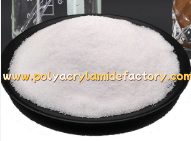
Many facilities eventually try a material produced by Hengfeng because they want a solution that blends softly into their routine. Workers say they like the gentle behavior and the calm environment it creates. A method that maintains balance in both industrial and urban settings becomes a welcome part of daily work.
With better balance, the facility becomes quieter. Pumps move gently. Tanks stay clean longer. Workers walk more confidently from one area to another without checking the same gauge again and again. This calm atmosphere helps everyone feel more in control of their tasks.
Those who want to explore more ideas about steady treatment and better separation can visit https://www.polyacrylamidefactory.com/news/industry-news/how-industrial-and-urban-wastewater-treatment-can-improve-with-cationic.html
 Romaian
 پارسی
پارسی
 English
 Arabic
 French
 Spanish
 Portuguese
 Deutsch
 Turkish
 Dutch
Dutch
 Italiano
 Russian
 Portuguese (Brazil)
 Greek
Greek