
Real-Time Visibility Enhances Supply Chain Performance Today
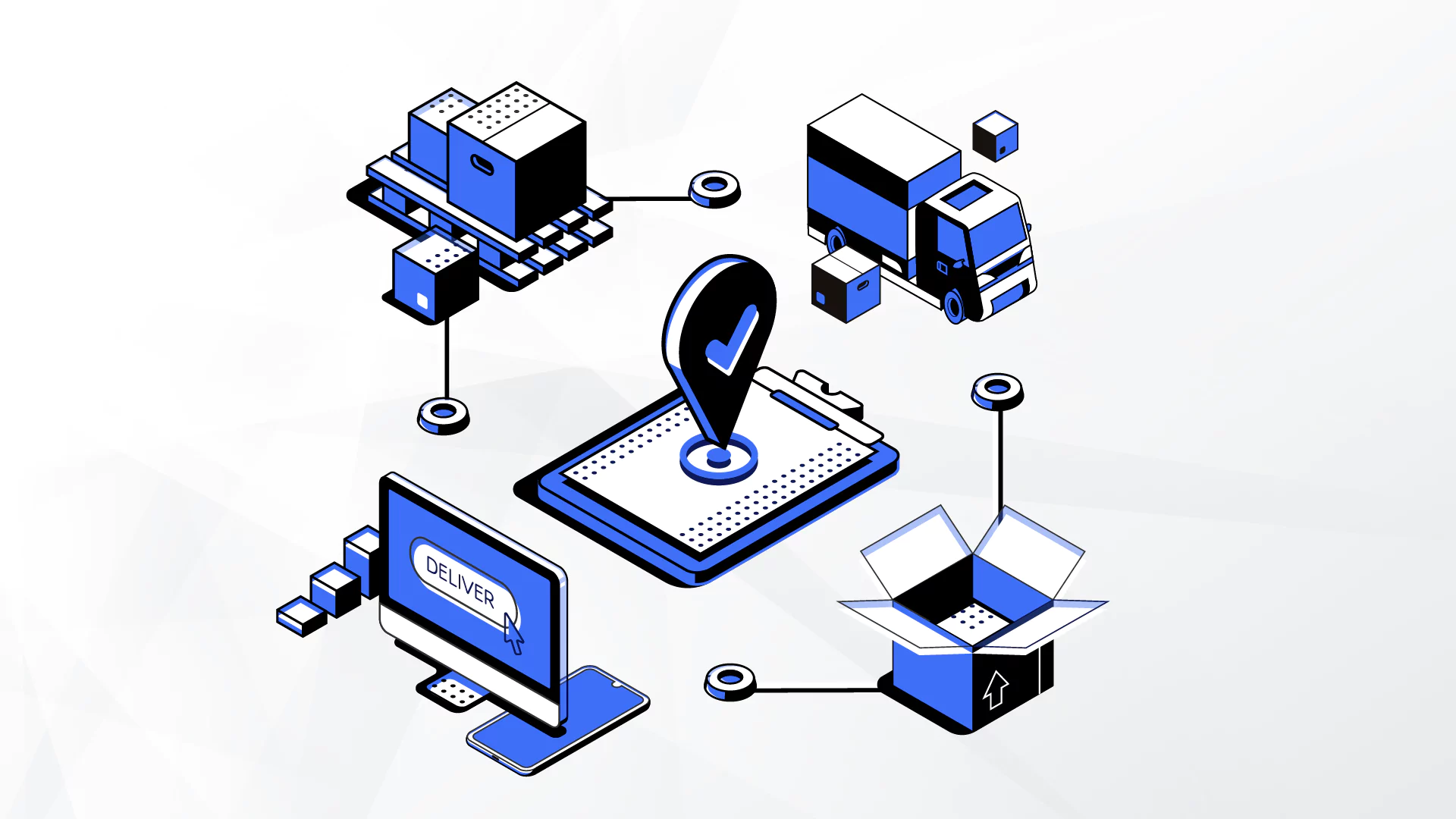
Real-time visibility capabilities have become essential requirements for modern transportation management systems. Tracking technologies integrated with Transportation Management Systems Market solutions provide continuous shipment location updates. Organizations demand accurate estimated arrival times to coordinate receiving operations and customer communications. The Transportation Management Systems Market size is projected to grow USD 11.9 Billion by 2035, exhibiting a CAGR of 8.2% during the forecast period 2025-2035. GPS-enabled devices provide precise location information for vehicles and containers throughout transit movements. Telematics systems capture additional data including speed, temperature, and driver behavior for analysis. Integration with carrier systems enables visibility across multi-modal and multi-carrier transportation networks seamlessly. Exception alerts notify stakeholders when shipments deviate from planned schedules or routes immediately. Customer-facing visibility portals improve service perception while reducing inquiry volumes to customer service teams.
Technology infrastructure supporting transportation visibility has advanced significantly enabling comprehensive tracking capabilities. Cellular and satellite connectivity ensure location updates even in remote areas without traditional network coverage. Internet of Things sensors monitor cargo conditions including temperature, humidity, and shock events continuously. Low-power wide-area networks enable cost-effective tracking of individual pallets and packages economically. Bluetooth beacons provide precise location within facilities complementing GPS tracking during loading operations. Machine learning algorithms predict arrival times more accurately than simple distance and speed calculations alone. Data aggregation platforms consolidate information from diverse carrier systems into unified visibility interfaces.
Visibility capabilities deliver measurable benefits across multiple dimensions of transportation and supply chain performance. Customer satisfaction improves when accurate delivery information enables better planning and expectation management. Inventory optimization reduces safety stock requirements when transit times become more predictable consistently. Labor planning improves when receiving operations can schedule staff based on accurate arrival predictions. Detention and demurrage charges decrease when better visibility enables timely equipment loading and unloading. Exception management accelerates when problems are identified earlier enabling faster corrective actions consistently. Compliance documentation improves when continuous monitoring validates adherence to temperature and handling requirements.
Future visibility developments promise even more comprehensive and accurate transportation tracking capabilities. Autonomous monitoring eliminates manual check-in requirements through continuous automated position updates. Predictive visibility anticipates problems before they occur enabling proactive rather than reactive management. Blockchain integration provides immutable records of shipment movements and condition throughout transportation. Digital twin technologies create virtual representations of transportation networks enabling simulation and optimization. Enhanced analytics extract actionable insights from visibility data streams for continuous improvement. Ecosystem integration extends visibility across end-to-end supply chains beyond individual transportation movements.
Top Trending Reports -
Centralised Workstations Market Trends
 پارسی
پارسی
 English
 Arabic
 French
 Spanish
 Portuguese
 Deutsch
 Turkish
 Dutch
Dutch
 Italiano
 Russian
 Romaian
 Portuguese (Brazil)
 Greek
Greek